
Atlantic Business Advisors
Local business owners should be able to keep more of what they earn.
Most Business Owners Are Losing Money They Should Be Keeping
You can work all year, book good revenue, and still watch most of it end up somewhere else. What makes that maddening is that there’s nothing to point at. You didn’t lose a big customer, you didn’t make a bad bet, and you didn’t spend the money on anything foolish. It drained out a little at a time, in places nobody was watching, and you find out at the end of the year when the number is smaller than it should have been.
You didn’t spend that money. It leaked. And every month the leak runs, you’re losing money you already worked for.
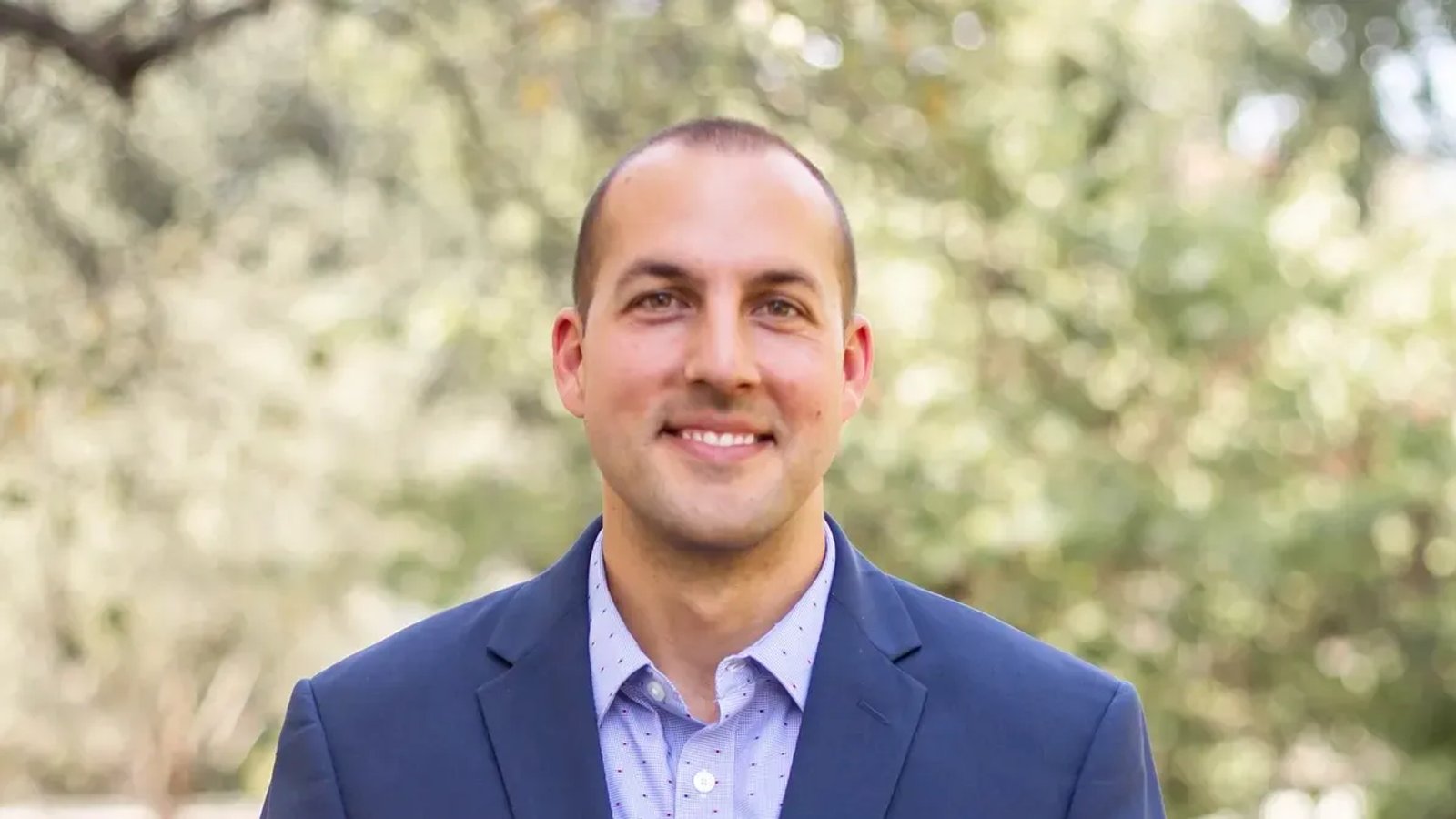
Finding it is most of what Richard Boyd does. He runs Atlantic Business Advisors out of Williamsburg, and since the firm opened in 2021, his recommendations have saved clients an average of ten thousand dollars a year.
Why Profitable Businesses Still Run Short on Cash
It’s one of the most common questions business owners ask each other, and it usually gets asked in something close to a panic. The jobs are booked, revenue is up, the profit and loss statement says the year is going well, and then payroll week arrives and the money isn’t in the account.
Profit and cash answer two different questions, and most owners are only tracking one of them. Profit is what your books say you earned, while cash is what your customers have actually paid you, and the space between those two numbers is where healthy companies get caught short. Richard says this is a common reason people call him.
You Don’t Have to Spend a Lot to Save a Lot
Most of Richard’s bookkeeping clients pay a couple hundred dollars a month, and his goal is to come in around twenty dollars an hour under what local CPA firms charge. He keeps it there by leaning on categorization rules and automation wherever those save his team time.
Ask around and you’ll hear what the alternative runs. Owners report retainers north of two thousand dollars a month for a couple of simple entities, or seven thousand for the books plus another four to file the return. When they ask why the number went up, it usually turns out that they had a better year, and nothing about the work changed at all.
For a lot of owners, that gap is the first leak to close.
The Money Leaks While You’re Out Earning It
If the financial side of the business has slid, it’s because you were bidding the work, covering the crew, and keeping customers happy. That’s the job, and nobody ever grew a company by reconciling their own balance sheet.
A leak doesn’t wait for a slow week, though. It runs in the background whether or not anybody has time to go looking for it.
Don’t Worry If Your Books Are Behind. He’ll Fix It.
If the records have gotten away from you, you already know roughly how far behind you are, and asking for help means letting a stranger see it. Some owners sit with that long enough to start wondering whether it would be easier to close the company and start clean.
Richard treats accurate books as the starting line rather than something you were supposed to have handled on your own. His team does the bookkeeping in house, and if you already have a bookkeeper you like, he’ll work alongside them instead of pushing them out. You also get to stop opening QuickBooks, because his team runs the categorization rules so the software stops guessing wrong and costing you an evening to fix.
Most Bookkeeping Only Tells You What Already Happened
A monthly report describes a month that’s over, and a tax return describes a year that’s over. Both are necessary, and neither one tells you a thing about what’s in front of you.
Richard sends those same reports, and then he keeps going. He cleans up the books first, because everything else depends on them, and then he builds you a picture of what’s coming. He met with a landscaping owner recently who had run his company for six years without a forecast, and what the man said on the way out was that he finally felt like he had a plan.
“You won’t make a profit unless you plan for it.”
— Richard Boyd
Tax Planning Before the Year Closes, Not After
Most tax work happens in the spring, which is the one stretch of the year when nothing can be changed anymore. By then the decisions are already made and somebody is just writing them down.
Richard runs those questions before the year closes, while the answers still matter. Whether you should move from a single member LLC to an S corp is a decision with a deadline attached, and so is how much you pay yourself and in what form. Atlantic Business Advisors handles bookkeeping, payroll, payroll taxes, and tax planning together, and Richard will coordinate with your CPA if you already have one you trust.
Buy the Next Truck Without Your Stomach Churning
The forecast starts with your profit and loss statement and your balance sheet. From there he builds a budget, layers a sales and cash forecast on top of it, and pulls every obligation into one business debt schedule so nothing stays hidden from you.
The plan that lands on your desk has dates on it. Cut these specific expenses now, put that freed up capital toward paying down this loan, and here’s what your cash position looks like six months from today if you follow it. He sets up monthly key performance indicators alongside it, so you can watch the plan working instead of finding out at year end how it went.
All Top Performers Have Coaches
Athletes have them, and so do the executives running companies many times the size of yours. Bringing one in says somebody is taking the work seriously, not that anything has gone wrong.
“It’s basically like a financial coach for your business.”
— Richard Boyd
A coach looks at your numbers and tells you whether you can afford two more trucks next month, in the same language you used to ask the question. Richard came out of the corporate world, so he knows exactly what the jargon sounds like, and he made a point of not bringing it with him.
He’ll also tell you when you don’t need him. The term fractional CFO gets handed out so freely that it barely describes anything, and he says a business has to reach a certain size with certain goals before one makes sense. If you’re not there yet, he’d rather just keep your books well.
Owners complain about meeting an experienced partner during the sales conversation and then getting handed off to a junior who rotates out the following year. Richard is the one in the meetings, and most of the testimonials on his website name him personally rather than praising the firm in the abstract.
Growing Without Breaking What Works
Not everyone who calls is in trouble. Richard says a number of his clients run their companies well and come to him because they want to know that the next phase won’t break what’s already working.
If you’re thinking about adding a crew, buying equipment, or taking on a bigger class of job, a forecast shows you what it does to your cash before you commit, and the monthly review tells you whether it’s playing out the way you expected.
He Knows How Your Kind of Business Makes Money
Richard’s deepest experience is with companies that run crews and equipment, including landscaping, HVAC, plumbing, pest control, and repair services, along with construction, real estate, and commercial property.
He isn’t limited to those trades, and he’s worked with nonprofits and other kinds of businesses since the beginning. What matters more than the industry is whether the tools match your cash cycle, because a landscaping company and a fix and flip investor pull entirely different levers, and he isn’t going to hand both of them the same spreadsheet.
He Learned Forecasting Where Being Wrong Was Expensive
Richard didn’t come up through a CPA firm, which is a big part of why he treats this as a forecasting problem instead of a filing problem. He earned a business management degree from Liberty University, then contracted with IBM, where he led an international team responsible for keeping Sarbanes-Oxley compliance systems running for healthcare providers.
In 2014 he joined Lockheed Martin and spent the next stretch of his career in business development and program management, where he helped support the construction of a three hundred fifty million dollar manufacturing facility and led a team of satellite engineers working on the next generation of GPS satellites. Those are places where a forecast isn’t decoration, because people commit real money on the strength of it, and bringing that discipline to businesses that will never have a full-time finance department is why he started the firm in 2021.
Working with Owners Up and Down the East Coast
Richard is based in Williamsburg, so plenty of his clients are close enough to meet for coffee. The work travels well, though, and he takes clients up and down the East Coast, with one currently in Florida and past work in Ohio and Texas. The one real constraint is the clock, because he stays in the Eastern time zone and stretches to Central when it makes sense, and six o’clock here is dinner with eight kids who range from three years old to seventeen.
Ask him why he does this and he’ll tell you he believes he can reflect the love of Jesus Christ to other business owners through it.
If you’ve been running on whatever the bank balance happens to say on a given Tuesday, there’s a better way to do it. You find out where the money has been going, you stop the part that’s leaking, and you put the rest toward the truck, the hire, or the loan you’d rather pay off early. The money is yours and you should be able to keep it.